Mixing and Storing Plant Nutrients

Water, Nutrient, And Fertilizer Holding Tanks:
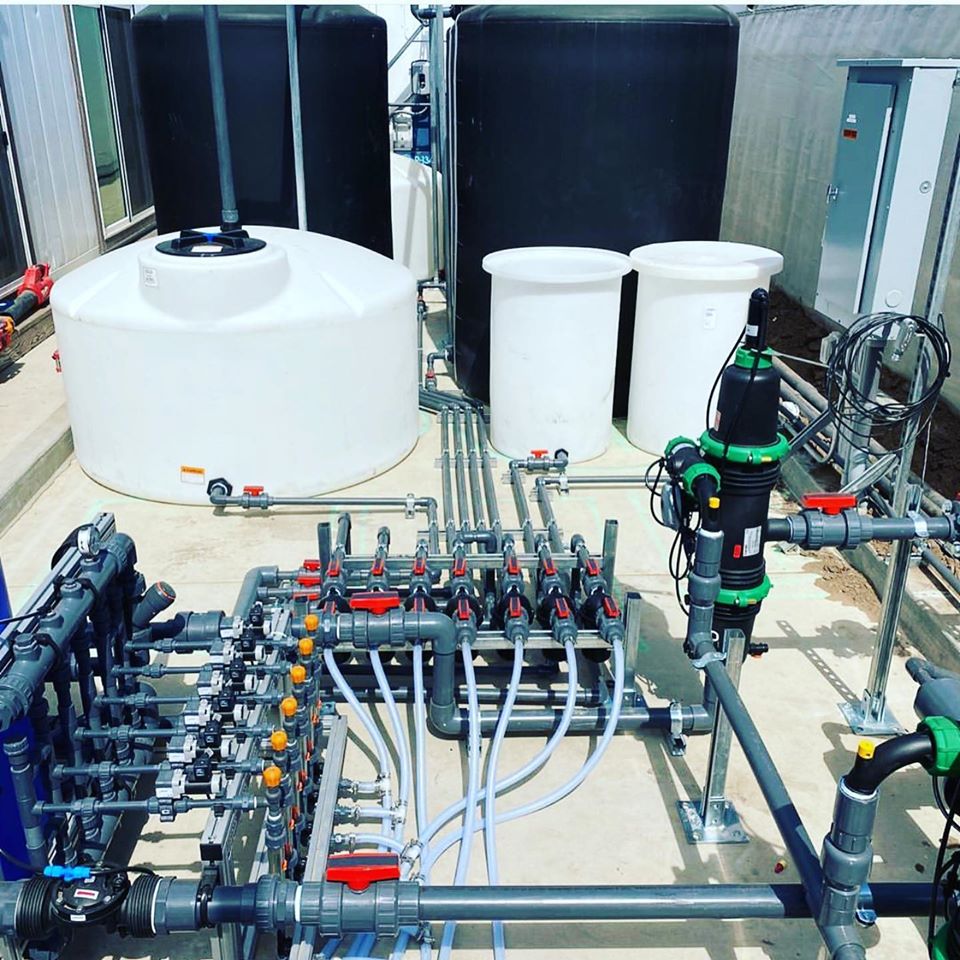 In the commercial horticulture industry, there are essential items needed to be successful regardless of the grow operation type. From ventilation, temperature monitoring and control, irrigation, lighting, and nutrient management, the operation must control and maintain these to the highest of abilities.
For plant nutrient availability and applications, a facility must have some form of storage for long term use of plant nutrients. Having nutrients stored on site reduces wait times and overall costs. The storage of plant nutrients also allows for the immediate application to areas needing amendments.
This reduces the occurrence of plant stress and stunting. There are several things to consider and do when storing plant and crop nutrients at a commercial level in a greenhouse or indoor farming operations. There are not only employee safety needs that need to be met, but also environmental needs as well. A commercial facility storage area for fertilizers and nutrients will contain large amounts of concentrates nutrients that must be stored and managed properly. These chemicals can cause serious harm if it reaches the water table or ground water, as well as health effects to workers and animals. In the proper handling of chemicals and fertilizers, there are some key factors to follow that will allow for the safe handling and storage of nutrients.
Major Points to Remember
- Fertilizers should be stored separate from other chemicals in dry conditions
- Extended care should be taken with concentrated mixes and solutions with secondary containment
- Pallets need to be used to keep large drums and bags off of the floor with shelving used for smaller bags and containers that have a lip to eliminate slippage
- If using bulk tanks the containment area needs to be large enough to confine 125% of the contents of the largest container in the storage area
- Keep all storage areas locked, organized, clean, and labeled. Also reducing access to these areas to specific persons allows for close monitoring of use and applications
- Adequate road access needs to be available for deliveries and use, as well as making the area secure, but accessible to those with clearance
- Never store fertilizers in a well-house or a facility that contains a well in or out of use
- Always research location and state specific guidelines/ laws for the safe and proper handling of fertilizers and chemicals in the commercial facility
Storage Location
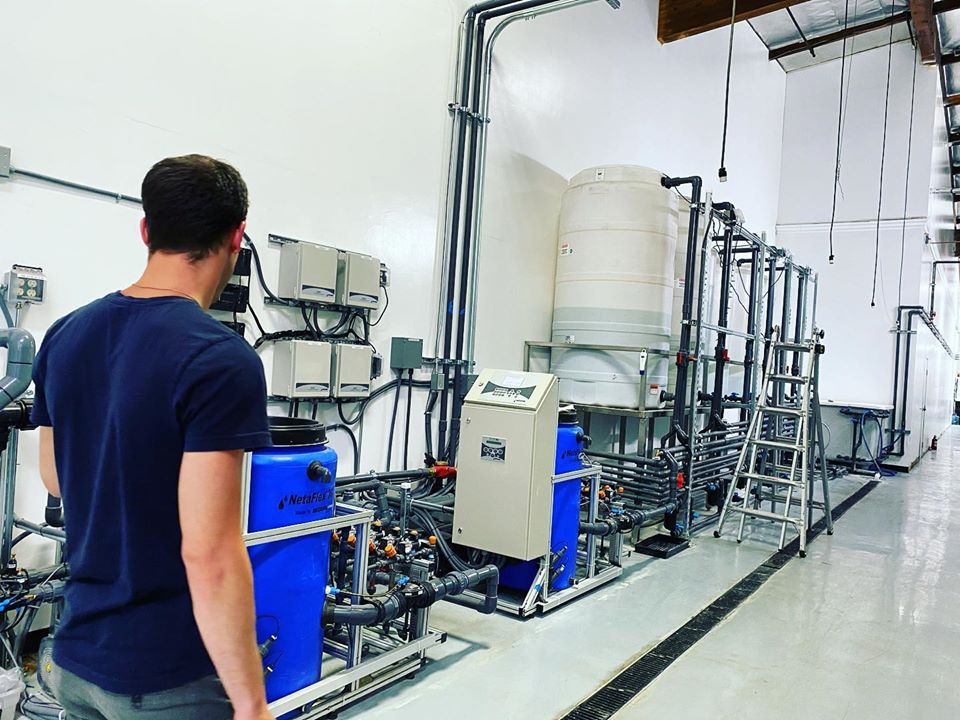 A commercial facility’s fertilizer storage area will contain a relatively large amount of concentrated chemicals. There are some major risks that are involved in the storage and handling of these chemicals These include compromised containers (damaged), loss of security to the storage area, accumulation of outdated chemicals, and combustion of oxidizing compounds in fertilizer that could cause an explosion, fire, or other type of disaster event.
In order to reduce these risks, two things stand out- having a separate area or building for chemical storage and keeping detailed and accurate records. The area should be away from water areas, offices, housing, neighboring dwellings, other chemicals such as pesticides, and protected from the elements. The area should have a floor that is impermeable or non-porous with a secondary containment area that is away from high traffic areas and plants. Cleanup and response supplies to an accident or spill should be readily and easily accessible for quick and efficient response to an event.
Containers: The First Line of Defense
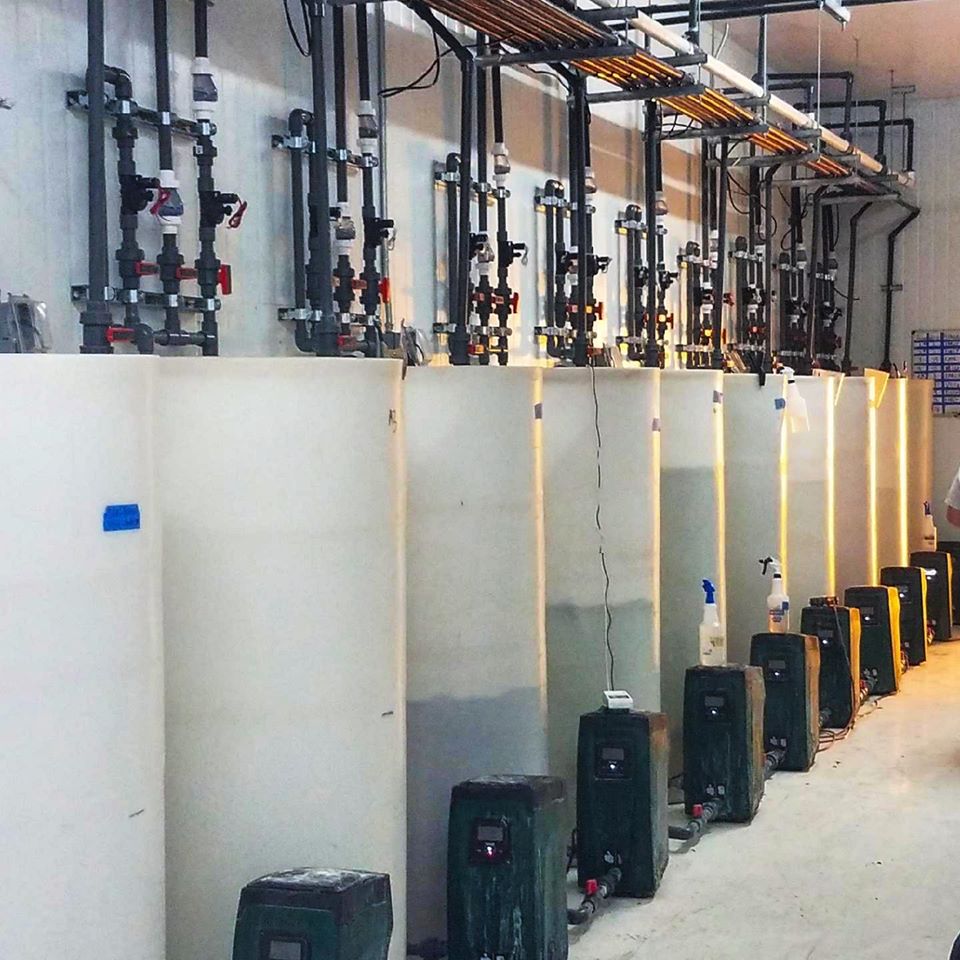 A first line of defense for spills and leaks are storage containers that are in excellent condition with no signs of wear and tear. If a container becomes damaged or worn, it should be decommissioned and replaced immediately.
Fertilizers and other chemicals need to be stored in their original containers unless damaged. If keeping the original container is out of the question, clear and accurate labels need to be placed on replacement containers. Never mix two chemicals together from different containers, even if the chemicals are the same mix. This could compromise the solution or lead to a mix that is not accurate. Research should be done to ensure safe and proper handling of containers that are specific to local, state, and federal regulations.
Containment
The best approach to handling a spill or leak is prevention. However, spills and accidents happen. In order to properly contain a spill or leak, there are some steps that should be taken as well as initial preventative measures. The flooring needs to have no drain so that there will be no chance of contamination of the water table or systems. The use of a secondary containment area for opened bags and containers should be used, as well as routine checks of containers and area for damage and leaks.
All material that has spilled should be cleaned and managed immediately when seen with all materials and cleanup supplies discarded according to local, state, and federal guidelines. A system for fires and other hazards should be in place in the event of an emergency for prompt action due to the oxidizing nature of some chemicals used in a commercial greenhouse. The local fire department should be notified of the inventory on an annual basis as well for their safety in the event of a fire.
With the commercial handling of fertilizers and plant and crop nutrient solutions for use in plants, there is always some level of risk involved. The key is proper storage and handling, as well as, prevention to reduce the risk. From storage, response, and accurate records, an operation can safely handle and monitor their chemical usage and stores.
For questions and suggestions on making a grow facility safer and up to standard, reach out to MORR Inc.. Rf Agriculture's AG experts are knowledgeable and experienced in the field and can assist in planning, AG build outs and installations, regulation guidelines, and more for the commercial grow facility.
Click here for more information about MORR Inc.'s extensive selection of agricultural tanks, water tanks, mixing tanks, holding tanks, pressurized tanks horizontal tanks, vertical tanks, cylinder tanks, and inductor tanks for watering, fertilizer, plant nutrients, and other types of caustic and non-caustic chemical solutions.
About MORR Inc.-
 MORR Inc. is a wholesale commercial agriculture distributor for planting, growing, and farming located in Los Angeles, CA. MORR Inc. supplies top of the line wholesale commercial hydroponic systems, commercial grow systems, a wide selection of grow lights and automated control systems, nutrient rich soils and growing media, a large selection of specialized advanced plant nutrients for different plant life cycles, dosing and drip irrigation systems, high tech environmental meters and automated grow systems, fans, filters, plant pesticides, plant fungicides, general commercial grow facility services, plus much more! https://MORR.com
About
MORR Inc.
MORR Inc. is a wholesale commercial agriculture distributor for planting, growing, and farming located in Los Angeles, CA. MORR Inc. supplies top of the line wholesale commercial hydroponic systems, commercial grow systems, a wide selection of grow lights and automated control systems, nutrient rich soils and growing media, a large selection of specialized advanced plant nutrients for different plant life cycles, dosing and drip irrigation systems, high tech environmental meters and automated systems, fans, filters, plant pesticides, plant fungicides, automated crop management systems, general commercial grow facility supplies and services, plus much more!
Call- 1-310-967-2022